



Ophthalmic Medical Technician Blogs:
From Classroom to Clinic: How OPMT Students Prepare for Real-World Eye Care
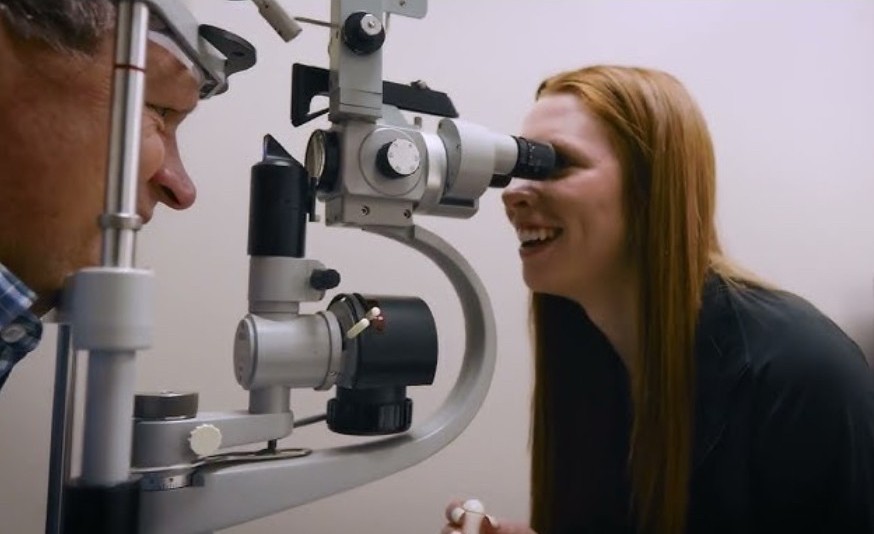
Preparing future ophthalmic medical technicians takes more than teaching technical skills, it requires building confidence, professionalism, and a deep understanding of patient-centered eye care. At Alexandria Technical & Community College, the Ophthalmic Medical Technician (OPMT) Program is intentionally designed to bridge the gap between the classroom and the clinic, ensuring students are well prepared before they ever step into a clinical setting.
By Kimberly Barblock, COT
Ophthalmic Medical Technician Program Director
Building a Strong Foundation Before Clinical Rotations
Before beginning clinical rotations, OPMT students complete structured coursework that focuses on the core skills essential to ophthalmic practice. These foundational skills include:
Understanding HIPAA regulations and the importance of patient privacy, confidentiality, and compliance in all clinical interactions
Developing strong interpersonal skills, including effective communication, empathy, professionalism, and teamwork within a healthcare setting
Learning infection control and patient safety standards
Becoming familiar with ophthalmic instruments and equipment
Taking patient histories and documenting chief complaints
Accurately measuring and recording visual acuity
Understanding ocular anatomy and common eye conditions
This early preparation allows students to enter the clinic with a working knowledge of what they will encounter and what will be expected of them, rather than learning everything for the first time on the job.
Building Confidence Through Structured Learning
Confidence doesn’t happen overnight. The OPMT program intentionally builds confidence through step-by-step skill development, guided practice, and clear expectations.
Students practice skills in a controlled learning environment before applying them in real-world settings. By the time they begin clinical rotations, they are not only familiar with procedures, but also comfortable asking questions, accepting feedback, and continuing to grow.
This structured approach helps reduce anxiety for students and creates a more positive experience for preceptors, who can focus on refining skills rather than teaching fundamentals from scratch.
The Value of Structured Clinical Education
Clinical rotations are a vital part of ophthalmic training, but they are most effective when paired with strong academic preparation. The OPMT program’s structured clinical education model ensures that students:
Understand their role and responsibilities in the clinic
Arrive prepared to contribute meaningfully to patient care
Are evaluated consistently on both technical and professional skills
Continue developing competency throughout their rotations
For preceptors, this structure supports a smoother onboarding experience and helps ensure students are aligned with clinic expectations.
Preparing Students for Success in Eye Care
From classroom instruction to hands-on clinical experience, the OPMT program at Alexandria Technical & Community College is designed with one goal in mind: preparing students to succeed in real-world eye care settings.
By focusing on foundational skills, professionalism, confidence building, and structured clinical education, the program equips future ophthalmic medical technicians to enter the workforce prepared, capable, and ready to make a difference in patient care.
Interested in Becoming a Preceptor or Student?
If you are an eye care professional interested in supporting the future of the profession, or if you’re considering a career as an Ophthalmic Medical Technician, we would love to connect with you.
Potential preceptors or clinics: Discover how partnering with ATCC supports workforce development and brings new talent into the profession by reading our first preceptor spotlight blog.
Prospective students: Learn more about our hybrid online OPMT program and how clinical rotations work in your local area by attending a free monthly student information webinar via Zoom.
CLEAR VISION, BRIGHT FUTURES: EDUCATING OPHTHALMIC TECHNICIANS
Out-of-State Students:
Students from outside Minnesota who are interested in taking this program online should verify that the program is recognized in their home state.
Minnesota's Global Military Learning Network: Military Bridge Available!
Military bridge programs through Minnesota's Global Military Learning Network (MN-GMLN) provide opportunities for U.S. military service members who have trained in specific occupations to use their training as college credit toward specific degrees, maximizing credit transfer and saving time and money toward a civilian degree.